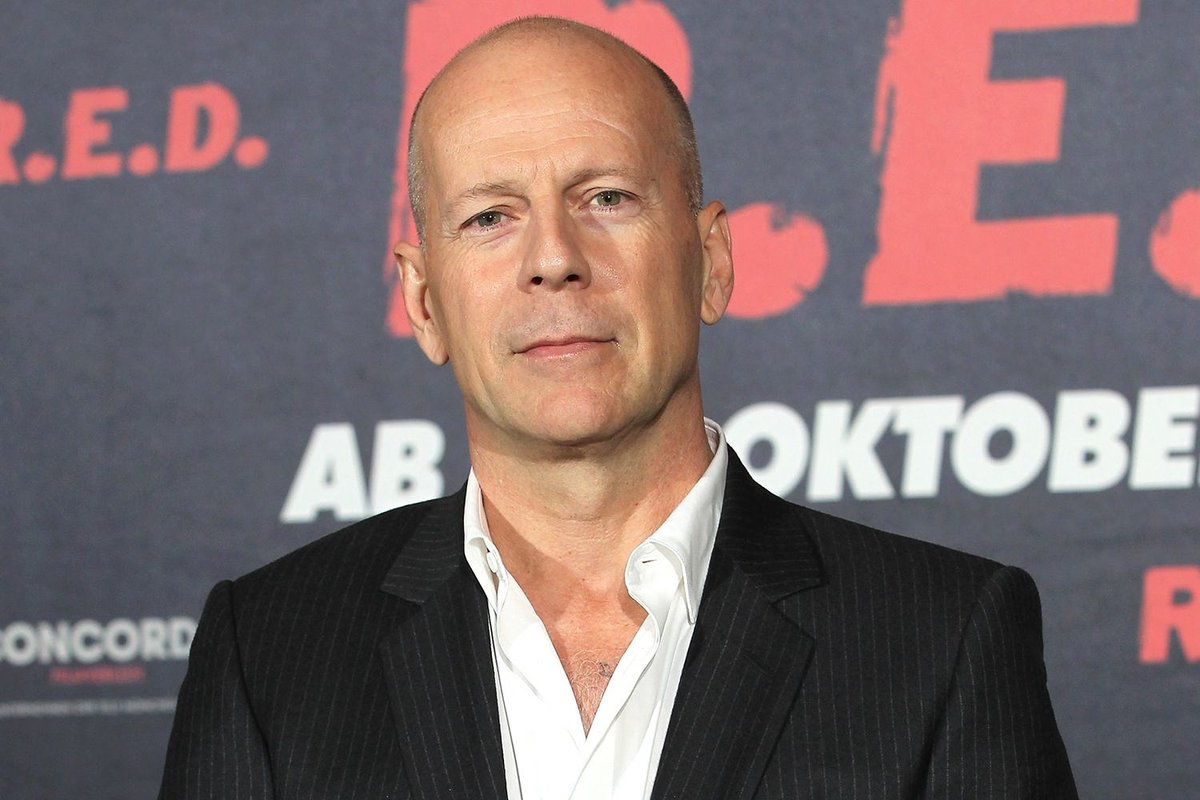
The news landed like a quiet, yet profound, punch to the gut for millions worldwide: Bruce Willis, the charismatic action hero, the witty detective, the indelible star, was stepping away from acting. It wasn't a choice driven by a desire for a peaceful retirement, but by a devastating diagnosis. The impact of Bruce Willis's health on his career has been absolute and heartbreaking, forcing an abrupt end to one of Hollywood's most storied and beloved journeys, replacing the glare of the silver screen with the silent, relentless progression of frontotemporal dementia (FTD).
For nearly four decades, Willis embodied an everyman toughness, a wry smirk, and an unshakeable presence that resonated with audiences across genres. From the high-rise heroics of John McClane to the supernatural chills of Malcolm Crowe, his performances were etched into cinematic history. Now, at 70, his battle with FTD, initially misdiagnosed as aphasia, has rendered him largely non-verbal, unable to speak, read, or walk, and struggling to recognize even cherished family members. It's a cruel twist for a man whose career was so deeply rooted in communication and dynamic physical expression.
At a Glance: Understanding Bruce Willis's Health Journey and Its Impact
- The Diagnosis: Bruce Willis is battling frontotemporal dementia (FTD), an aggressive, incurable brain disorder.
- Progression: Initially diagnosed with aphasia in March 2022, it advanced to FTD less than a year later.
- Current State: He is mostly non-verbal, unable to speak, read, or walk, and experiences difficulties recognizing family members.
- FTD Explained: Unlike Alzheimer's, FTD primarily affects language, personality, and behavior first, typically striking individuals between 45 and 64.
- Family Support: Willis is surrounded by a united blended family, including his wife Emma Heming Willis, ex-wife Demi Moore, and all five daughters.
- Caregiving: Emma Heming Willis is his primary caregiver, managing his round-the-clock medical support and adapted home environment.
- Advocacy: The family openly shares updates to raise awareness, destigmatize dementia, and advocate for FTD research funding.
- Career Impact: His health decline led to an immediate retirement from acting, marking a poignant end to a legendary career.
The Unveiling of a Silent Battle: From Aphasia to FTD
For those who followed Bruce Willis's later career, there were whispers, often brushed aside as rumors, about his presence on set, his ability to recall lines, or his general demeanor. In retrospect, these were likely the early, insidious signs of a progressive neurological condition taking root. In March 2022, his family released a joint statement confirming his retirement due to a diagnosis of aphasia, a language disorder affecting communication. It was a somber announcement, but one that offered a degree of clarity.
Less than a year later, the clarity deepened, bringing with it a more devastating truth: the aphasia had progressed, and Willis's condition was definitively identified as frontotemporal dementia (FTD). This wasn't merely a shift in terminology; it represented a deeper, more aggressive challenge to his very essence.
What is Frontotemporal Dementia (FTD)?
Imagine the brain as a complex symphony orchestra. While Alzheimer's disease often targets the conductor – memory – FTD attacks the sections responsible for language, behavior, and personality. It's a progressive brain disorder that specifically damages the frontal and temporal lobes, the very regions that govern our ability to communicate, empathize, make decisions, and control our impulses.
A key differentiator from Alzheimer's is the typical age of onset. FTD often strikes individuals younger, usually between 45 and 64, making it particularly cruel as it robs people of their cognitive abilities during what are often their most productive years. The symptoms manifest differently too: instead of initial memory loss, FTD patients might exhibit significant changes in personality, become socially inappropriate, lose their ability to understand or use language, or develop motor impairments. It truly reconfigures who a person is, piece by agonizing piece.
The Specific Impact on Bruce Willis's Capabilities
For Bruce Willis, FTD has relentlessly eroded the faculties crucial to both his personal life and his profession. The ground truth shared by his family paints a stark picture: he now struggles with basic recognition, is largely non-verbal, and has lost the ability to speak, read, or even walk independently.
Glenn Gordon Caron, the creator of "Moonlighting" and a close friend, described Willis as seeing life "through a screen door." This poignant analogy captures the heartbreaking isolation and cognitive distance that FTD creates, separating the individual from their surroundings, making connection increasingly difficult. For an actor who relied on subtle expressions, precise dialogue, and dynamic physicality, this level of decline signifies an absolute and irreversible end to that aspect of his life. His health, in the most profound way, brought his career to a definitive, sorrowful halt.
A Career Defined, Then Redefined by Illness
Bruce Willis's career trajectory was anything but conventional. He shot to fame as the wise-cracking private detective David Addison on the TV series "Moonlighting," then defied expectations by transitioning into an action superstar with "Die Hard," forever cementing his place as John McClane, the reluctant hero. He moved effortlessly between genres, from gritty thrillers like "Pulp Fiction" to psychological dramas like "The Sixth Sense," always injecting a unique blend of humor, vulnerability, and steely resolve. It's this multifaceted legacy that makes the premature end of his career all the more poignant. You can explore a look back at Bruce Willis's iconic roles to appreciate the breadth of his talent.
The Subtle Signs: Looking Back at His Later Roles
In retrospect, some fans and critics noted a shift in Willis's performances in his later years, particularly in the direct-to-video films that characterized his final output. There were instances where his lines seemed minimal, his presence somewhat subdued, or his delivery less energetic. While at the time these might have been attributed to burnout or a lack of engagement with lower-budget projects, we now understand them as potential manifestations of his developing condition.
Actors often rely on teleprompters, earpieces, or ADR (Automated Dialogue Replacement) to manage challenging dialogue or on-set difficulties. For someone experiencing aphasia or early FTD, these tools become not just aids, but essential lifelines to perform. It's plausible that as his cognitive functions began to wane, the demands of complex scripts and sustained performances became insurmountable, leading to roles that required less verbal and cognitive heavy lifting. The industry, ever-present but often discreet, likely adapted to his evolving needs until it could no longer do so effectively.
The Industry's Response and Adaptation
The film industry, like any workplace, has a responsibility to its employees. While the specifics of how Willis's condition was managed on various sets prior to his public announcement remain private, it's clear that efforts were made to accommodate him. Directors and producers would have been aware of any difficulties he faced, and adjustments – from simpler scenes to fewer lines or shorter working days – were likely implemented to allow him to continue working.
However, FTD is a progressive disease. There comes a point where even the most dedicated support cannot compensate for the fundamental loss of ability. For an actor, the inability to speak, comprehend scripts, or perform physical actions becomes an absolute barrier. His retirement, therefore, was not a voluntary departure but a necessary acceptance of the disease's profound limitations. It serves as a stark reminder of the human cost behind the glamorous facade of Hollywood.
The Human Toll: A Family's Unwavering Support
While the public mourns the loss of an icon on screen, the Willis family faces a far more personal and profound journey. Bruce Willis is not just an actor; he is a father, a husband, a friend. His diagnosis has united his blended family in a powerful display of love, resilience, and unwavering support.
Emma's Role as Primary Caregiver: Challenges and Dedication
His wife, Emma Heming Willis, has become his primary caregiver, a role that demands immense emotional, physical, and mental strength. Caregiving for someone with FTD is uniquely challenging. As the disease primarily affects personality and behavior before memory, the person you love can feel like they are slowly becoming a stranger. They may exhibit disinhibition, apathy, or repetitive behaviors, all while still physically present.
Emma has taken extraordinary steps to create a safe and supportive environment for Bruce. This includes moving him to a single-story home designed for ease of movement and safety, and ensuring he has round-the-clock medical support. She also consciously limits noise and overstimulation in his environment, understanding that such factors can exacerbate distress or confusion for individuals with dementia. Emma's dedication extends beyond daily care; she is writing a memoir, "An Unexpected Journey," to shed light on the often-unseen judgment and pressures caregivers face, offering a voice to countless others navigating similar paths. This act of vulnerability and advocacy is a testament to her strength.
The Blended Family's United Front
Bruce's family unit is a beautiful example of modern co-parenting and profound love. His ex-wife, Demi Moore, and their three daughters – Rumer, Scout, and Tallulah – remain incredibly close to him and Emma, and their two young daughters, Mabel and Evelyn. This united front is crucial, providing a strong network of emotional and practical support for both Bruce and Emma. They actively participate in his care, celebrate present moments, and share updates with the world, demonstrating that love, in all its forms, can transcend complex family dynamics and devastating illness. Their shared journey highlights the power of familial bonds in the face of adversity.
Creating a Sanctuary: Adapting His Environment
Living with FTD requires significant adaptations to one's environment to promote safety, reduce confusion, and enhance comfort. For Bruce, this has meant careful consideration of his home layout and daily routine. A single-story home minimizes fall risks and the cognitive load of navigating stairs. Medical support is constant, ensuring immediate attention to his evolving physical needs. Minimizing noise creates a calmer, less overwhelming atmosphere, which can be vital for someone whose cognitive processing is compromised. These thoughtful adaptations are not just practical; they are acts of love, creating a sanctuary where he can experience as much peace and dignity as possible.
More Than a Personal Tragedy: Raising FTD Awareness
The Willis family's decision to go public with Bruce's diagnosis was not made lightly. It was a conscious, courageous choice born out of a desire to turn their private pain into public purpose. By sharing their story, they have become powerful advocates for a condition that, despite its prevalence, often remains in the shadows.
Destigmatizing Dementia: Sharing Their Journey Publicly
Dementia, in all its forms, carries a heavy stigma. There's often a reluctance to discuss it, fueled by fear, shame, and a lack of understanding. The Willis family's transparency directly confronts this. By openly discussing Bruce's decline, the challenges Emma faces as a caregiver, and the difficult realities of FTD, they are stripping away the secrecy and opening up vital conversations.
Their willingness to show the raw, unfiltered truth of living with FTD—the struggles with communication, the need for constant care, the emotional toll—helps humanize the disease. It allows people to see beyond the clinical diagnosis to the real individual and family impacted. This public vulnerability is a powerful force for destigmatization, encouraging other families to seek help, share their experiences, and find solidarity. If you're wondering how celebrity health journeys impact public awareness, Bruce Willis's situation is a prime example.
The Call for Research and Understanding
FTD is often called the "forgotten dementia" because it receives significantly less research funding and public attention compared to Alzheimer's disease, despite affecting approximately 60,000 Americans. The Willis family's advocacy is a beacon for change. By elevating FTD into the national and international spotlight, they are compelling greater awareness and, crucially, driving a call for increased research funding.
More funding translates to better understanding of the disease's mechanisms, the development of diagnostic tools, and, ultimately, the pursuit of treatments and a cure. Their platform provides a megaphone for the FTD community, highlighting the urgent need for scientific breakthroughs and improved support systems for patients and their caregivers. They recognize that celebrating present moments and finding joy amidst limitations is vital, but so is actively working towards a future where FTD no longer has to be an incurable, aggressive sentence.
Living with FTD: Understanding the Day-to-Day
Understanding the day-to-day realities of FTD helps to grasp the profound impact on individuals like Bruce Willis and their families. It’s a disease that doesn't just affect memory; it reshapes the very essence of personality and interaction.
Communication Shifts: Beyond Words
For someone with FTD, especially the primary progressive aphasia variant that often precedes broader FTD, communication becomes an enormous challenge. Initially, words might become harder to retrieve, sentences might be jumbled, or understanding spoken language might falter. As the disease progresses, as in Bruce's case, it can lead to being largely non-verbal.
This doesn't mean the person has nothing to say or nothing to express. It means their ability to encode and decode language is compromised. Caregivers often learn to interpret non-verbal cues – gestures, facial expressions, sounds, or body language. It requires immense patience and empathy to maintain connection when verbal communication is no longer possible.
Behavioral Changes: The 'Screen Door' Analogy
Glenn Gordon Caron's "screen door" analogy is particularly apt for FTD. Patients might seem present, yet there's a barrier. This can manifest in various behavioral changes:
- Apathy: A significant loss of interest or motivation.
- Disinhibition: Acting without regard for social norms or consequences.
- Compulsive behaviors: Repetitive actions or speech.
- Loss of empathy: Difficulty understanding or responding to others' emotions.
These changes are not deliberate; they are symptoms of brain damage. Understanding this helps families cope and prevents them from taking these behaviors personally. It's the disease, not the person they once knew, dictating these actions. Learning what to look for in FTD symptoms can help families recognize these shifts early.
The Emotional Landscape for Patients and Loved Ones
The emotional toll of FTD is immense. For the patient, there can be moments of frustration, confusion, or even fear, especially in the earlier stages when they are more aware of their declining abilities. As the disease advances, their awareness may diminish, though their sense of comfort and security remains vital.
For loved ones, the grief is often described as "ambiguous loss"—grieving someone who is physically present but cognitively absent. Watching a loved one transform, lose their ability to communicate, and eventually become unable to care for themselves, is profoundly painful. It demands a constant recalibration of expectations, a deep well of resilience, and an unwavering commitment to finding joy in the present, no matter how small.
The Legacy of a Legend: What Endures Beyond the Screen
Bruce Willis's retirement from acting marks the end of an era, but his legacy is far from over. It's simply evolving. His career left an indelible mark on cinema, and now, his personal journey is carving a new, equally significant path of impact.
Remembering Bruce: The Enduring Charm and Action Hero Persona
Think of the iconic roles: John McClane, the unlikely hero always in the wrong place at the right time. David Addison, the quick-witted charmer who sparked a new kind of television chemistry. Butch Coolidge, the boxer with a moral compass navigating a dark underworld. Malcolm Crowe, the child psychologist grappling with his own mortality. Bruce Willis didn't just play characters; he inhabited them with a unique blend of vulnerability, humor, and a certain world-weariness that made him utterly relatable. His films defined genres and became cultural touchstones.
The sheer volume and versatility of his work speak volumes. He could be tough, tender, funny, or terrifying, often within the same scene. This enduring charm and his status as a bona fide action hero—a man who faced impossible odds with a wry smile and a determined glint in his eye—will forever be celebrated in film history. For fans, his movies will continue to be a source of entertainment and inspiration, allowing his artistic spirit to live on.
A New Form of Impact: Advocacy and Compassion
While his acting career has concluded, Bruce Willis's impact has taken on a new, profound dimension: advocacy. Through his family's courageous transparency, he has become the face of FTD awareness, bringing a rarely discussed condition into the global spotlight. This new legacy is about compassion, understanding, and the power of human connection in the face of devastating illness.
His story has already spurred countless conversations, encouraged people to learn about FTD, and undoubtedly prompted individuals to seek diagnoses for their loved ones. This shift from entertaining millions to educating and inspiring millions about a critical health issue is perhaps his most powerful role yet. It’s a testament to the fact that even when one's voice is silenced, their life can still speak volumes.
What You Can Do: Supporting FTD Awareness and Research
The Bruce Willis family's openness isn't just a personal choice; it's an invitation for the public to engage with and understand FTD. There are tangible steps you can take to contribute to this crucial effort.
Recognizing Symptoms: When to Seek Help
Knowing the importance of early dementia diagnosis is key. If you notice persistent and unexplained changes in a loved one's personality, behavior, or language abilities, it's vital to seek professional medical advice. These might include:
- Becoming unusually apathetic or withdrawn.
- Showing a sudden lack of empathy or social inhibition.
- Struggling to find words, understand conversations, or speak fluently.
- Developing repetitive or compulsive behaviors.
- Changes in motor skills, such as balance or coordination.
Don't dismiss these as simply "aging" or stress. A thorough neurological evaluation is necessary to determine the cause. Early diagnosis, while not offering a cure for FTD, can help manage symptoms, plan for the future, and access support networks.
How to Support Caregivers
Caregivers like Emma Heming Willis bear an immense burden. Supporting them is crucial.
- Offer Practical Help: Run errands, prepare meals, help with household chores, or provide respite care so they can rest.
- Provide Emotional Support: Listen without judgment. Remind them they're doing a great job. Validate their feelings of grief, exhaustion, and frustration.
- Educate Yourself: Learn about FTD to better understand what the caregiver and the patient are going through.
- Respect Their Boundaries: Offer help, but understand if they decline. Sometimes, just knowing you're there is enough.
Supporting caregivers helps them sustain their vital role and prevents burnout. For more information, consider looking into resources for dementia caregivers.
Contributing to Research Efforts
The most impactful long-term solution lies in research.
- Donate to FTD-specific organizations: Groups like the Association for Frontotemporal Degeneration (AFTD) fund crucial research and provide resources for families.
- Participate in clinical trials (if eligible and willing): For those with a diagnosis, contributing to research can directly advance scientific understanding.
- Spread Awareness: Talk about FTD. Share accurate information. The more people who understand the disease, the greater the pressure for increased funding and support.
Frequently Asked Questions About Bruce Willis and FTD
The public often has many questions about Bruce Willis's condition and FTD in general. Here are some common ones, answered clearly.
Is there a cure for FTD?
No, currently there is no cure for frontotemporal dementia. Treatments focus on managing symptoms and improving the quality of life for patients and their caregivers. Research is ongoing to find effective therapies.
How quickly does FTD progress?
The progression of FTD varies greatly from person to person. It is generally considered an aggressive form of dementia, and symptoms tend to worsen steadily over several years, impacting cognitive, behavioral, and motor functions.
Can Bruce Willis still understand what's happening?
As FTD progresses, a person's ability to process and understand complex information significantly declines. While it's difficult to know the exact level of understanding, Bruce Willis likely struggles with comprehension, especially verbal communication. His close friend Glenn Gordon Caron described him as seeing life "through a screen door," indicating a significant cognitive barrier.
What are the early signs of FTD?
Early signs of FTD can differ depending on the specific subtype, but often include changes in personality (e.g., apathy, loss of empathy), behavior (e.g., disinhibition, compulsive actions), or language (e.g., difficulty speaking, understanding words, or naming objects). Memory loss typically occurs later in FTD, unlike Alzheimer's.
Looking Forward: A Continuing Conversation
The story of Bruce Willis and his battle with frontotemporal dementia is a sobering reminder of life's unpredictability, even for those who seem invincible on screen. His retirement marks not just the end of an extraordinary acting career, but the beginning of a new chapter where his life, guided by the unwavering love of his family, serves a different, profound purpose.
His family's courage in sharing their journey has ignited a vital conversation, pushing FTD out of the shadows and into the mainstream consciousness. This legacy of advocacy, awareness, and profound human compassion will endure long after his movies have played their final credits. As we continue to follow his family's updates and support their mission, we contribute to a future where FTD is better understood, better treated, and hopefully, one day, cured.
For those eager to learn more about his life and career, including retrospectives or specials, you might find information on Where to watch the Bruce Willis special as such programs often emerge in light of significant life events. The conversation around Bruce Willis's health and its impact will continue, reminding us of the fragility of life and the strength of the human spirit.