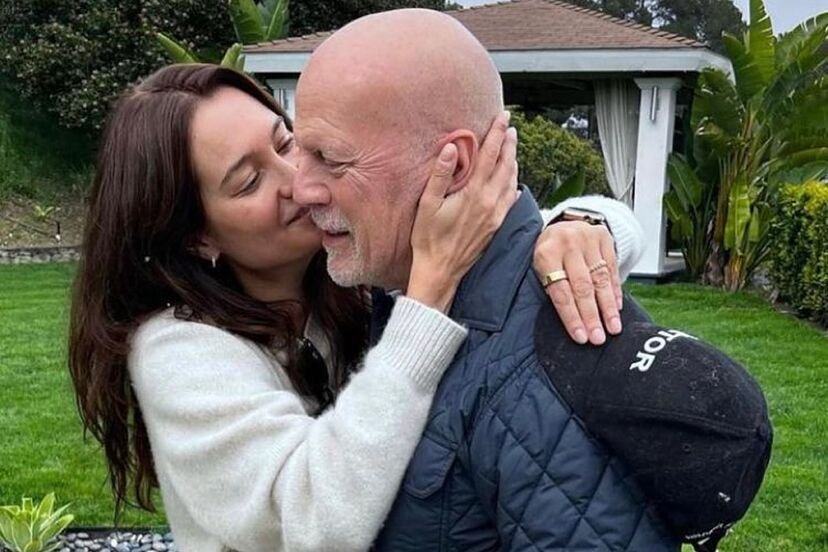
The news hit hard: iconic actor Bruce Willis, a man whose presence defined an era of action films and captivating performances, was diagnosed with frontotemporal dementia (FTD). In 2023, his family bravely shared this deeply personal journey, sparking a global conversation about the challenges of FTD and the profound impact it has on loved ones. Now, his wife, Emma Heming Willis, is sitting down with veteran journalist Diane Sawyer for an exclusive interview, offering an intimate look into their family’s life and advocacy. If you’re wondering about the Bruce Willis Special: Broadcast Schedule & Channels, you’re in the right place for all the essential details on when and where to watch this important event.
This special isn't just a broadcast; it's a critical moment for awareness, empathy, and understanding the realities of FTD caregiving. Emma's decision to share their story is a testament to her strength and a beacon for countless families navigating similar paths.
At a Glance: The Bruce Willis Special with Diane Sawyer
- What it is: "Emma and Bruce Willis: The Unexpected Journey -- A Diane Sawyer Special"
- Who: Diane Sawyer interviews Emma Heming Willis, discussing Bruce Willis's frontotemporal dementia diagnosis and their family's journey.
- Why it matters: Raises awareness for FTD, highlights the caregiver's experience, and provides a platform for resources.
- What to expect: A candid, emotional, and insightful conversation about living with FTD, adapting communication, and finding joy amidst challenges.
- Key focus: Emma's advocacy for caregiver resources and her new book, ‘The Unexpected Journey: Finding Strength, Hope, and Yourself on the Caregiving Path.’
Why This Interview Isn't Just Another TV Special
When a public figure like Bruce Willis faces a health challenge, it inevitably draws attention. But Emma Heming Willis’s conversation with Diane Sawyer transcends mere celebrity interest. It's a raw, honest look into the reality of a condition that affects thousands, yet often remains misunderstood and under-discussed. This special serves multiple crucial purposes, primarily centered around human connection and vital advocacy.
For many, Bruce Willis is the unstoppable hero, the quick-witted detective, the charming everyman. To learn that his most visible symptom of FTD is the loss of language – the very tool of his trade – is a stark reminder of the disease's insidious nature. This interview offers a chance to see beyond the diagnosis, to understand the day-to-day triumphs and heartbreaks of a family committed to love and support. It's an opportunity for viewers to connect with their journey, find resonance with their own experiences, or simply cultivate greater empathy for those living with dementia and their caregivers.
Understanding Frontotemporal Dementia: A Brief, Human Look
Before we dive into broadcast specifics, it’s helpful to quickly grasp what frontotemporal dementia (FTD) is and why Bruce’s family's transparency is so significant. Unlike Alzheimer’s, which primarily affects memory, FTD impacts the frontal and temporal lobes of the brain. These areas are crucial for personality, behavior, and language.
For Bruce, as Emma shared, the most visible symptom has been the loss of language – a condition known as aphasia. Imagine trying to express your thoughts, feelings, or even simple needs, and the words just aren't there. It's a profound challenge that reshapes communication within a family entirely. Emma notes that Bruce remains "very mobile" and in "great overall health," but his "brain is failing him." This distinction is important: FTD isn't just about memory loss; it profoundly alters who a person is and how they interact with the world. By openly discussing these difficult realities, the Willis family is demystifying a condition that often leads to isolation and confusion for affected families.
The Power of Sharing: Emma's Journey and the Caregiver's Path
At the heart of "The Unexpected Journey" special is Emma Heming Willis's powerful narrative as a caregiver. She openly admits to initially feeling isolated by Bruce’s diagnosis, a common experience for those thrust into caregiving roles. This isolation fueled her desire to advocate for better caregiver resources and to share their family’s story publicly. Her upcoming book, also titled ‘The Unexpected Journey: Finding Strength, Hope, and Yourself on the Caregiving Path,’ aims to be a guide and a source of solace for other families navigating similar difficult waters.
Her candidness about the challenges—and the unexpected moments of joy—is incredibly impactful. She speaks of their daughters still finding happiness in Bruce’s laugh, a twinkle in his eye, or a characteristic smirk. These fleeting moments of presence are what she expresses gratitude for, underscoring the deep well of love and resilience within their family. This interview isn't just about Bruce; it's about the unsung heroes of caregiving, the partners and family members who adapt, innovate, and find new ways to connect and cherish their loved ones. Emma's voice gives strength and validation to countless caregivers who often feel invisible.
Where to Watch: Your Definitive Guide to the Diane Sawyer Special
The highly anticipated interview, "Emma and Bruce Willis: The Unexpected Journey -- A Diane Sawyer Special," is an event you won't want to miss. For the most up-to-date information on when and Where to watch Bruce Willis tonight, here’s what you need to know.
The special is set to air on a major broadcast network. Typically, these high-profile interviews with Diane Sawyer find a home on ABC. However, broadcast schedules can sometimes vary by region or change without extensive prior notice.
Here's how to ensure you catch it:
- Check Local Listings: The most reliable method is always to consult your local TV guide or the programming schedule for ABC in your time zone. This will confirm the exact date and time.
- Official Network Website: Visit the official ABC website or their news division’s site (ABC News). They will almost certainly feature prominent announcements and scheduling information.
- Streaming Services: If you're a cord-cutter, options may include:
- Live TV Streaming Services: Platforms like Hulu + Live TV, YouTube TV, Sling TV, or FuboTV often carry ABC. You'll need an active subscription to one of these services.
- Network's Own Streaming Platform: Post-broadcast, the full special will likely be available on-demand via the ABC app or website, often requiring a cable provider login, but sometimes offered for free for a limited time. Hulu (the on-demand service) is also a strong possibility for post-airing access, especially given Disney's ownership of both ABC and Hulu.
Potential Airing Details (General Guidance - Check Local Listings for Exact Times):
While exact dates and times can fluctuate, major network specials like this typically air during prime time. Keep an eye out for announcements for a Tuesday or Wednesday evening slot, as these are common for news specials. Always confirm the exact time in your specific time zone (e.g., Eastern Time, Central Time, Pacific Time) to avoid missing it.
Preparing to Watch: What to Expect and How to Engage Thoughtfully
Watching a special like this can be an emotional experience. Emma's raw honesty about Bruce's condition and their family's adaptation is likely to resonate deeply.
- Expect Authenticity: Diane Sawyer is known for her sensitive yet incisive interview style. Emma Heming Willis has shown incredible courage in sharing their story, so expect a conversation free of pretense, full of vulnerability and strength.
- Focus on the Human Element: While Bruce Willis is a global icon, the interview's core is about the very human experience of dealing with a challenging illness as a family. Look for insights into communication adjustments, moments of connection, and the sheer effort involved in caregiving.
- Listen for Advocacy: Pay close attention to Emma's calls for greater support for caregivers and increased awareness of FTD. This isn't just a personal story; it's a plea for broader understanding and resources.
- Consider the Impact: This special has the potential to spark important conversations in your own circles. Think about how you might discuss it with family or friends, especially if you know someone affected by dementia or caregiving.
After the Broadcast: Continuing the Conversation & Finding Support
The "Emma and Bruce Willis: The Unexpected Journey" special isn't meant to be a one-time viewing experience that ends when the credits roll. Its true impact lies in the conversations it ignites and the actions it inspires. If you find yourself moved or seeking more information, there are many avenues to explore.
- Support Caregivers: Emma's advocacy emphasizes the dire need for caregiver resources. If you know a caregiver, reach out. Offer practical help, listen without judgment, or simply acknowledge their immense efforts. Online communities and local support groups can also provide vital lifelines for those feeling isolated.
- Learn More About FTD: Organizations dedicated to frontotemporal dementia research and support are invaluable resources. The Association for Frontotemporal Degeneration (AFTD) is a leading voice, offering comprehensive information, support networks, and opportunities to get involved in advocacy and fundraising. Understanding the nuances of FTD can help reduce stigma and improve support for affected families.
- Explore Emma's Book: Emma Heming Willis’s book, ‘The Unexpected Journey: Finding Strength, Hope, and Yourself on the Caregiving Path,’ is a natural extension of the interview. It aims to provide practical guidance and emotional support for others navigating the caregiving landscape. Reading it can offer deeper insights and actionable strategies.
- Share Responsibly: If you discuss the special online or with others, do so with empathy and respect. The Willis family has shown incredible vulnerability; reciprocating with understanding fosters a more compassionate environment. Correct misinformation and highlight the positive messages of advocacy and support.
This special is a powerful reminder that behind every diagnosis is a family’s journey, marked by both sorrow and incredible strength. By tuning in, you're not just watching an interview; you're joining a crucial conversation that can lead to greater understanding, empathy, and support for those facing the unexpected journey of dementia.
Common Questions About Bruce Willis, FTD, and Caregiving
It's natural to have questions when a high-profile family shares such personal news. Here are answers to some common inquiries that might arise after watching the special:
Q: What is the specific type of dementia Bruce Willis has?
A: Bruce Willis was diagnosed with frontotemporal dementia (FTD). This is distinct from Alzheimer's disease and primarily affects the parts of the brain responsible for personality, behavior, and language.
Q: What are the main symptoms of FTD, and how do they differ from Alzheimer's?
A: FTD symptoms often include changes in personality, behavior (e.g., impulsivity, apathy), and significant difficulties with language (aphasia). Unlike Alzheimer's, which typically begins with memory loss, FTD often affects behavior and language first, with memory sometimes remaining relatively intact in the early stages. For Bruce, the most visible symptom has been the loss of language.
Q: Is there a cure or effective treatment for FTD?
A: Currently, there is no cure for FTD, and treatments primarily focus on managing symptoms to improve quality of life. Research is ongoing, and organizations like the AFTD are working to advance understanding and discover new therapies.
Q: How does a family adapt to a loved one's FTD diagnosis?
A: Adaptation involves learning new communication strategies, adjusting daily routines, seeking support from professionals and support groups, and finding ways to cherish present moments. Emma Heming Willis highlights the importance of open communication within the family and celebrating small joys.
Q: What is a caregiver’s biggest challenge?
A: Caregivers often face emotional distress, physical exhaustion, financial strain, and profound isolation. Emma Heming Willis’s decision to share her story is partly to address this isolation and advocate for more robust caregiver resources and support systems.
The Lasting Legacy: Beyond the Screen, A Human Story
Bruce Willis has left an indelible mark on cinema, playing characters that defined generations. From the wisecracking John McClane to the stoic everyman, his screen presence was undeniably magnetic. Now, his legacy takes on a new, profoundly human dimension. Through his family’s openness, Bruce Willis is helping to shine a light on FTD, a condition that was once largely confined to medical journals and quiet family struggles.
This new chapter isn't about the roles he can no longer play, but about the profound impact of his family's courage. It’s a powerful narrative about love, resilience, and advocacy in the face of an unpredictable illness. Their story reminds us that true strength isn't always found in grand gestures or on the silver screen, but often in the quiet, unwavering commitment to family and the bravery to share vulnerability.
Moving Forward: Finding Hope in the Journey
Emma Heming Willis's message throughout her interview and her book is one of finding strength, hope, and yourself on the caregiving path. This is a journey no one asks for, but one that many navigate with immense courage. The "Emma and Bruce Willis: The Unexpected Journey" special offers a rare glimpse into this reality, inviting us all to watch, learn, and contribute to a more compassionate world.
By understanding the broadcast schedule and channels, you're taking the first step in joining this vital conversation. Beyond that, remember Emma's call: support caregivers, educate yourself about FTD, and find ways to connect with and cherish those around you. The journey may be unexpected, but with shared understanding and community, hope can always be found.