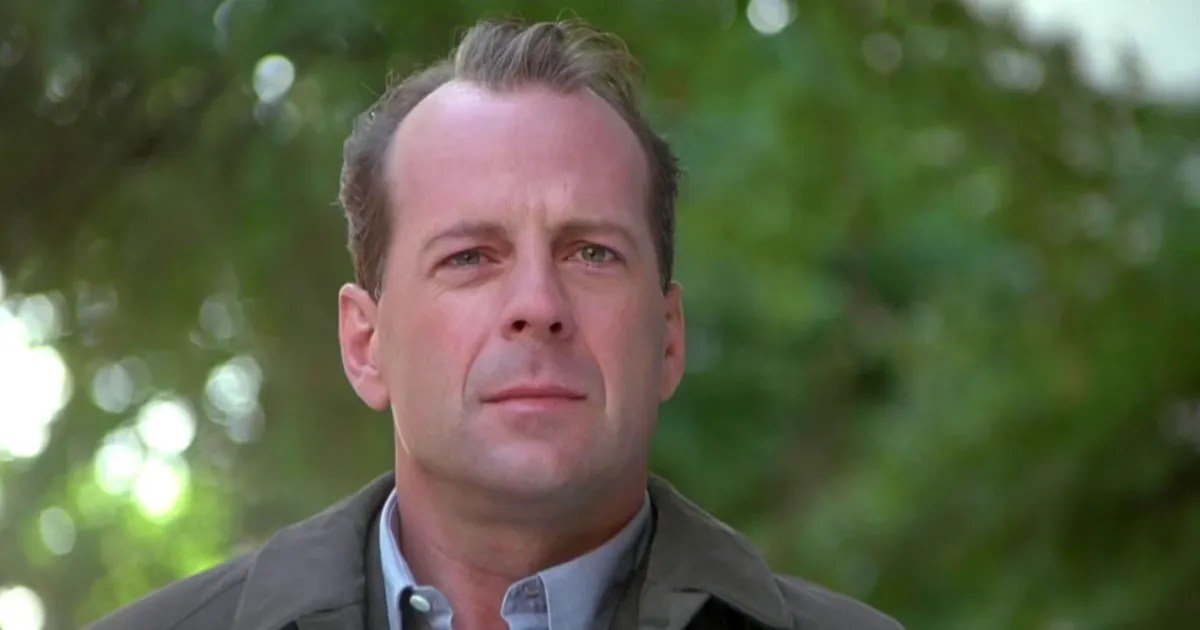
When you think of a true Hollywood icon, a name immediately springs to mind: Bruce Willis. From the wisecracking detective in a prime-time hit to the ultimate everyman action hero, and through critically acclaimed dramas and sci-fi epics, Bruce Willis's career & legacy in film is a tapestry woven with unforgettable characters, surprising versatility, and an undeniable star presence. He’s the guy who always seemed to be having a good time, even when the world was ending around him. His journey through Tinseltown wasn't just about box office numbers—though those were astronomical—it was about carving out a unique niche, charming audiences, and redefining what it meant to be a leading man.
Bruce Willis's Unforgettable Journey: At a Glance
Before we dive deep into the filmography that shaped generations, here’s a quick snapshot of the key milestones that defined Bruce Willis’s remarkable run in Hollywood:
- Early Beginnings: After uncredited roles and guest spots, Willis found his breakthrough on television.
- Moonlighting Stardom: Achieved initial fame as David Addison Jr. in the hit comedy-drama Moonlighting (1985–1989), earning multiple Golden Globe and Emmy nominations.
- The Birth of an Icon: Became an international action hero as John McClane in Die Hard (1988), a role that spawned four successful sequels.
- Genre Chameleon: Proved his versatility with voice roles (Look Who's Talking), cult classics (The Last Boy Scout), and dark comedies (Death Becomes Her).
- Critical Acclaim: Delivered unforgettable performances in films like Pulp Fiction (1994), 12 Monkeys (1995), and The Fifth Element (1997).
- Highest Grossing Success: Starred in his highest-grossing film, The Sixth Sense (1999), and forged a significant collaboration with director M. Night Shyamalan.
- Later Career Shift: Experienced a shift towards straight-to-video films in the 2010s, alongside notable indie and ensemble projects.
- A Bittersweet Farewell: Retired in 2022 due to a diagnosis of aphasia, later revised to frontotemporal dementia, leaving behind a filmography grossing over $5 billion worldwide.
From Idar-Oberstein to Hollywood Stardom: The Early Years
Born Walter Bruce Willis in Idar-Oberstein, West Germany, to an American father and a German mother, Bruce Willis’s path to Hollywood was anything but conventional. After his family moved to New Jersey, he initially struggled with a stutter, finding solace and confidence in performing. This early experience in overcoming a personal challenge likely contributed to the resilience and relatable vulnerability he would later bring to his roles.
His acting career began modestly in the early 1980s, with uncredited appearances in films like The First Deadly Sin (1980) and guest roles on popular TV shows such as Miami Vice (1984) and the revival of The Twilight Zone (1985). These were the foundational steps, the grind before the breakthrough, where he honed the raw talent and magnetic charisma that would soon make him a household name.
The Moonlighting Phenomenon: Charting a New Course
The pivotal moment that launched Bruce Willis into the public consciousness wasn't on the big screen, but on network television. In 1985, he landed the lead role of David Addison Jr. in the ABC comedy-drama series Moonlighting, opposite Cybill Shepherd. The show was a sensation, known for its rapid-fire dialogue, meta-commentary, and the undeniable chemistry between its two leads.
Willis's portrayal of the charming, sarcastic, and often irresponsible private detective captivated audiences. David Addison was irreverent, quick-witted, and possessed a roguish charm that would become a signature of Willis's persona. The role earned him three Golden Globe nominations for Best Actor – Television Series Musical or Comedy and two Primetime Emmy Award nominations for Outstanding Lead Actor in a Drama Series. Moonlighting wasn't just a hit show; it was a masterclass in establishing a star, demonstrating Willis's comedic timing and dramatic depth, and preparing him for the cinematic juggernaut that was just around the corner.
Yippee Ki-Yay, Hollywood! The Birth of an Action Icon
While Moonlighting made him famous, it was a single movie that transformed Bruce Willis into a global phenomenon, forever etching his name into the pantheon of action movie legends.
Die Hard (1988): A Masterclass in Reluctant Heroism
In 1988, Bruce Willis starred as John McClane in Die Hard, a role that would not only define his career but also revolutionize the action genre. McClane wasn't the muscle-bound, stoic hero audiences were accustomed to. He was a sarcastic, weary New York cop, caught in the wrong place at the wrong time (a high-rise Christmas party hijacked by terrorists). He was human, vulnerable, bleeding, and constantly out of his depth—yet utterly determined.
This relatability was Die Hard's genius and Willis's brilliance. He imbued McClane with a combination of wit, exasperation, and sheer grit, making him the ultimate "everyman" hero. The film was a critical and commercial success, earning him international recognition and spawning four sequels, each reinforcing his status as a top-tier action star. Die Hard didn't just showcase Willis's ability to headline a blockbuster; it demonstrated his unique capacity to blend action with character-driven performance, a hallmark that would run through many of his most celebrated roles.
Beyond the Gunfire: A Chameleon's Versatility
While John McClane cemented Willis as an action hero, he steadfastly refused to be pigeonholed. Throughout his career, he consistently ventured into diverse genres, proving his range and willingness to take on unexpected roles.
Voice Acting & Unexpected Charms
One of Willis's earliest forays into surprising territory was lending his distinctive voice to animated and live-action projects. In 1989, he voiced the inner thoughts of Mikey, a talking baby, in the hit comedy Look Who's Talking, and its 1990 sequel, Look Who's Talking Too. These films showcased a playful, lighter side of his acting, reaching a broader audience and proving he could be just as engaging without even appearing on screen. Later, he also lent his voice to the video game Apocalypse (1998), further diversifying his craft.
Cult Favorites & Genre Twists
Willis often gravitated towards projects that, while not always box office titans, garnered strong cult followings and allowed him to experiment.
- Hudson Hawk (1991): Willis even conceived the story for this caper comedy, demonstrating his creative input beyond just acting. Though a commercial flop at the time, it has since found a niche audience.
- The Last Boy Scout (1991): Alongside Damon Wayans, Willis starred in this Shane Black-penned action-comedy. The film's sharp dialogue and brutal action earned it a significant cult following and an MTV Movie Award nomination for Best On-Screen Duo.
- Death Becomes Her (1992): In a stark departure, Willis played a mild-mannered plastic surgeon caught between Meryl Streep and Goldie Hawn in this dark, comedic fantasy. It was another example of him embracing roles that subverted expectations, showcasing his comedic timing in a more absurd context.
These films demonstrated Willis's eagerness to break free from the mold, exploring different characters and genres even as his action star status grew.
The Golden Age: Critically Acclaimed Performances & Box Office Gold
The mid-1990s through the early 2000s marked a particularly prolific and critically successful period for Bruce Willis, seeing him star in some of Hollywood's most memorable and impactful films.
Pulp Fiction (1994): Redefining His Edge
Quentin Tarantino's Pulp Fiction wasn't just a cinematic event; it was a cultural phenomenon that redefined a generation of filmmaking. Willis's role as Butch Coolidge, a boxer who double-crosses a mob boss, was a crucial part of its ensemble brilliance. His gritty, morally ambiguous character allowed Willis to tap into a darker, more intense side of his persona, proving he could hold his own in an auteur-driven, non-linear narrative. Pulp Fiction solidified his status not just as an action star, but as a serious actor capable of nuanced, complex performances within an ensemble cast.
Sci-Fi & Thriller Dominance
Willis became a go-to star for high-concept science fiction and intense thrillers, delivering memorable performances in several genre touchstones:
- 12 Monkeys (1995): Directed by Terry Gilliam, this mind-bending psychological sci-fi film saw Willis as a convict sent back in time to prevent a deadly plague. His performance was raw and emotionally resonant, earning critical praise for its depth.
- The Fifth Element (1997): As Korben Dallas, a former special forces major turned cab driver in a futuristic New York, Willis anchored Luc Besson's visually stunning and wildly imaginative sci-fi opera. The film showcased his ability to blend heroic action with his characteristic dry humor in a fantastical setting.
- The Jackal (1997), Armageddon (1998), and The Siege (1998): These films further cemented his leading man status, demonstrating his prowess in thrillers and big-budget action spectacles. Armageddon, in particular, was a massive commercial success, featuring Willis as the leader of a team of oil drillers sent to space to destroy an asteroid heading for Earth.
The Sixth Sense (1999) & The Shyamalan Partnership
Perhaps his most critically and commercially successful film, The Sixth Sense saw Willis play Dr. Malcolm Crowe, a child psychologist helping a young boy who claims to see ghosts. The film was a global phenomenon, known for its haunting atmosphere, powerful performances, and, of course, its legendary twist ending. The Sixth Sense became his highest-grossing film and earned multiple Academy Award nominations, highlighting Willis's capacity for subtle, dramatic work.
This film also marked the beginning of a significant creative collaboration with director M. Night Shyamalan. Their partnership extended to what became known as the "Eastrail 177 Trilogy," a unique superhero mythos explored across three films: Unbreakable (2000), where Willis played David Dunn, a man who discovers he is practically indestructible; Split (2016), in a cameo; and finally, Glass (2019), which brought his character full circle alongside Samuel L. Jackson and James McAvoy. This trilogy allowed Willis to delve into a more contemplative, grounded take on superpowers, further showcasing his range as an actor.
Emmy Wins & Ensemble Power: Guest Appearances & Star Turns
Even as he dominated the big screen, Bruce Willis never shied away from smaller, impactful roles or returning to his television roots. In 2000, his guest appearance on the iconic sitcom Friends earned him his third Emmy nomination, this time for Outstanding Guest Actor in a Comedy Series, which he won. His turn as Paul Stevens, the strict father of Ross's girlfriend, was a comedic highlight, proving his ability to steal scenes even in a supporting capacity.
The 2000s also saw him participate in acclaimed ensemble pieces that leaned into his gritty, tough-guy persona:
- Sin City (2005): In Robert Rodriguez and Frank Miller's stylized neo-noir, Willis played Detective John Hartigan, a morally conflicted cop. His performance added gravitas to the visually striking, hyper-violent world of Basin City.
- Over the Hedge (2006): He returned to voice acting, leading the cast as the smooth-talking Raccoon, RJ, in this popular animated film, showcasing his broad appeal to family audiences.
- Red (2010) and The Expendables (2010): Willis joined an all-star cast of action legends in these films. In Red, he played a retired black-ops agent, showing that even in his later career, he could convincingly lead an action-comedy. His cameo in The Expendables was a nod to his enduring status among action heroes, later reprising his role in The Expendables 2.
His continuous presence, whether as a lead, a voice, or a compelling supporting character, kept him relevant and beloved by audiences across various demographics. Where to catch Bruce Willis's classic films or recent works? You might be wondering Where to watch Bruce Willis tonight as his enduring appeal keeps his films in rotation across streaming and cable, a testament to his lasting legacy.
A Shift in Focus: Navigating the 2010s and Beyond
The 2010s marked a noticeable shift in Bruce Willis's career trajectory. While still appearing in significant theatrical releases, he began starring in a growing number of straight-to-video (STV) films, which often received negative reviews from critics and moviegoers.
The Straight-to-Video Era: A Critical Look
This period generated considerable discussion among critics and fans. Elisabeth Vincentelli, reviewing several of his films for The New York Times, observed that many of these projects "generally lacked substance, with action sequences replacing any attempts at coming up with decent plots," and that Willis often appeared for an average of just 15 minutes. This trend raised questions about creative choices and the business models behind these productions.
It's important to view this era with nuance. While the sheer volume of STV releases was significant, it didn't overshadow his continued involvement in high-profile, critically acclaimed projects.
Independent Gems & Blockbuster Returns
Even amidst the straight-to-video output, Willis continued to make impactful contributions to cinema, reminding audiences of his versatility:
- Moonrise Kingdom (2012): Willis delivered a charming and understated performance as Captain Sharp in Wes Anderson's acclaimed independent film. This role highlighted his ability to blend into an ensemble and lend gravitas to a quirky narrative.
- Looper (2012): In Rian Johnson's acclaimed sci-fi thriller, Willis played the older version of Joseph Gordon-Levitt's character, Joe. It was a complex, intense performance that proved he could still deliver powerful, memorable work in challenging roles.
- G.I. Joe: Retaliation (2013): He made a notable appearance as the title character in this blockbuster, demonstrating his continued draw in big-budget franchises.
- Saturday Night Live (2013): Willis also returned to his comedic roots by hosting Saturday Night Live, showcasing his enduring ability to entertain live audiences.
These roles served as powerful reminders that even as his career evolved, Bruce Willis remained a compelling and talented actor capable of delivering standout performances across the spectrum of filmmaking.
The Unforeseen Farewell: Health, Retirement, and a Global Outpouring
In March 2022, the world received news that deeply saddened fans and the entertainment industry alike. Bruce Willis's family announced his retirement from acting after he was diagnosed with aphasia, a condition that affects cognitive abilities, particularly communication. Almost a year later, in February 2023, his family provided an update, clarifying that his condition had progressed to frontotemporal dementia (FTD), a specific type of dementia that impacts personality, behavior, and language.
This bittersweet conclusion to such an illustrious career brought a global outpouring of support, admiration, and respect for Willis and his family. It highlighted not only his immense contributions to film but also the human element behind the celebrity—a reminder of the challenges life can present.
Despite this unforeseen end, Willis's financial legacy remains staggering. The films he starred in throughout his career grossed over US$5 billion collectively worldwide, solidifying his position as one of the highest-grossing actors in film history. This remarkable figure is a testament to his star power, the commercial success of his projects, and his enduring appeal to audiences around the globe.
The Enduring Bruce Willis: A Legacy Defined
Bruce Willis's influence on Hollywood and popular culture is profound and multifaceted. His legacy is not merely a collection of box office receipts, but a testament to a unique talent who defied easy categorization and left an indelible mark on cinematic storytelling.
The Everyman Hero
His most defining contribution is arguably his reinvention of the action hero. Unlike the stoic, invincible figures that preceded him, John McClane introduced a vulnerability and relatable weariness. Willis mastered the art of playing the reluctant hero, the guy who's tired, bleeding, and just wants to go home, but rises to the occasion with a sarcastic quip and sheer determination. This "everyman" quality resonated deeply, making his heroes accessible and endearing, and profoundly influencing subsequent action protagonists.
The Distinctive Voice & Delivery
Willis’s iconic presence was built on more than just physical prowess. His distinctive gravelly voice, coupled with a signature smirk and a dry, understated delivery, became instantly recognizable. He could convey humor, pain, cynicism, and warmth with a glance or a perfectly timed line. This unique blend of rugged charm and inner vulnerability was his superpower, allowing him to transition seamlessly between comedy and drama, often within the same scene.
Genre-Defying Presence
From the gritty realism of Pulp Fiction to the cosmic spectacle of The Fifth Element, the psychological depth of The Sixth Sense to the indie charm of Moonrise Kingdom, Willis consistently challenged expectations. He proved that a leading man could be both a mega-blockbuster action star and a respected dramatic actor, capable of elevating genre films with genuine human emotion. His filmography is a masterclass in navigating diverse narratives while always imprinting them with his unmistakable style.
Impact on Pop Culture
Beyond individual films, Bruce Willis gave us cultural touchstones. "Yippee Ki-Yay" is a phrase synonymous with action and defiance. His characters, whether it’s John McClane, Butch Coolidge, or Dr. Malcolm Crowe, are ingrained in the collective consciousness of film lovers. He didn't just play roles; he created archetypes that continue to be referenced, revered, and re-watched, cementing his place in the annals of cinema history.
Reflecting on a Cinematic Titan: What Makes His Work Resonate Today?
Bruce Willis's career is a testament to talent, perseverance, and a willingness to evolve. As we reflect on his extraordinary journey, his work resonates today for several key reasons:
Firstly, his films offer a masterclass in character. Even in the most explosive blockbusters, Willis always brought a grounded humanity to his roles. Re-watching classics like Die Hard or The Last Boy Scout isn’t just about the action; it’s about watching a compelling character navigate impossible odds with wit and grit. His ability to fuse humor with drama, and vulnerability with toughness, continues to make his performances feel fresh and relevant.
Secondly, his diverse filmography means there's a Bruce Willis film for nearly every mood or taste. If you're looking for heart-pounding action, Armageddon or The Fifth Element fit the bill. For psychological thrills, The Sixth Sense and 12 Monkeys are unparalleled. And for a dose of sharp humor, revisit Moonlighting or Death Becomes Her. Exploring his body of work is an adventure through the rich landscape of modern cinema itself.
Finally, Willis's quiet departure from the screen, prompted by his health challenges, has only deepened the appreciation for his tireless contributions. It’s a poignant reminder of the fragility of life and the enduring power of art. His courage in facing frontotemporal dementia has brought awareness to the condition, while his films continue to bring joy, excitement, and thoughtful engagement to audiences worldwide.
So, the next time you settle down to watch a classic action film or a genre-bending thriller, consider the unique charisma and undeniable talent that Bruce Willis brought to the screen. His legacy is etched not just in the records of Hollywood, but in the hearts of millions of fans who will continue to celebrate the unforgettable journey of a true cinematic titan.